Fun 3D Wall Hole Christmas Ornaments: Integrating Sublimation Assets into Your Creative Workflow
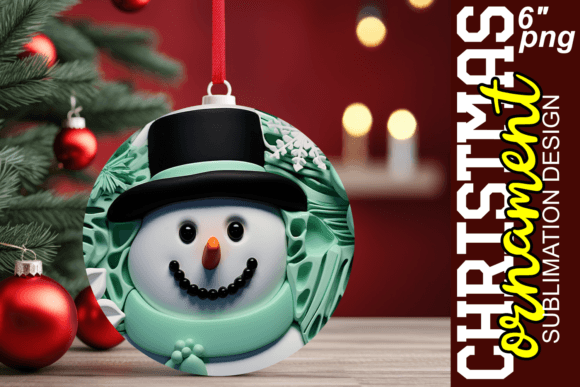
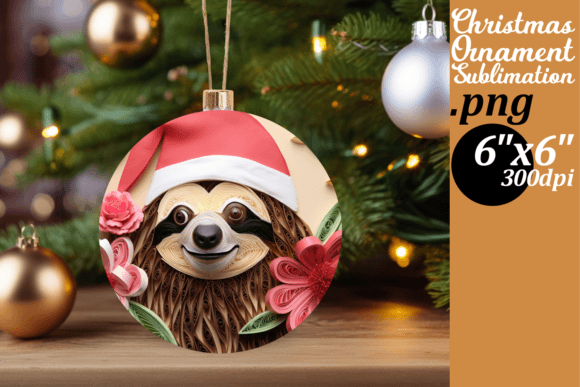
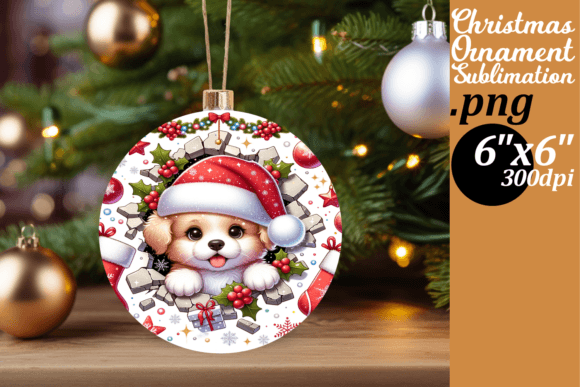
The holiday season represents a critical window for creators, small business owners, and hobbyists to showcase their skills and generate revenue. However, the difference between a generic product and a standout item often lies in the quality of the design assets used. Fun 3D Wall Hole Christmas Ornaments serves as a specialized digital asset designed specifically for sublimation workflows, offering a unique visual depth that flat designs cannot replicate. Understanding how this specific file fits into your broader production process is essential before you commit to purchasing or attempting to print it.
To effectively utilize this resource, a thorough understanding of sublimation technology is not just beneficial; it is mandatory. This is not a simple plug-and-play solution for beginners who have never handled heat presses or transfer paper. The success of your project depends on your ability to manage the entire chain of command from digital file to physical object. If you lack the requisite software and equipment, purchasing this file will likely result in wasted resources rather than a finished product. My support is strictly limited to technical issues regarding the file itself, such as corruption or download errors. I cannot assist with the mechanical process of sublimation, heat press settings, or substrate preparation.
Understanding the Asset and Its Technical Specifications
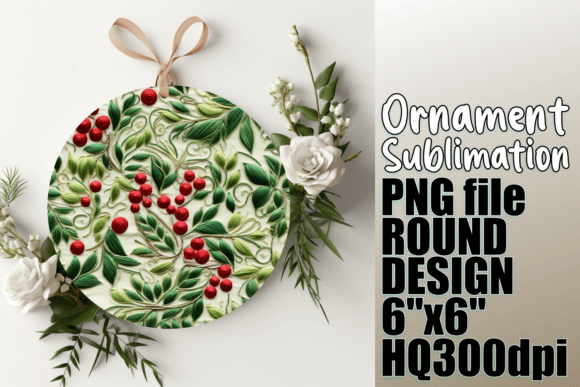
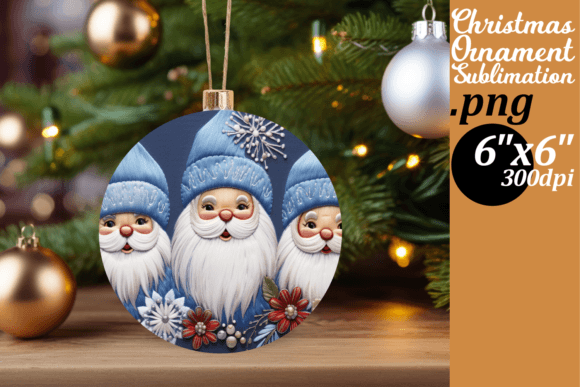
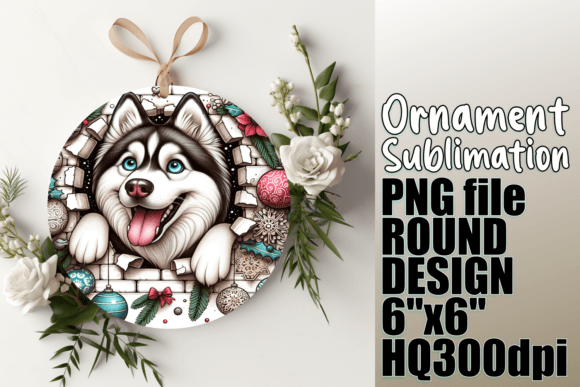
The core of this offering is a single PNG file engineered for high-fidelity reproduction. The file is optimized for 6-inch by 6-inch round sublimation blanks, a standard size for many decorative items like ornaments, mugs, and coasters. The resolution is set at an exceptional 300 DPI, which ensures that when the image is transferred onto a polymer-coated surface, the details remain sharp and the colors are vibrant without pixelation.
This high-resolution capability is crucial for professionals who demand consistency across multiple units. When you are running a batch of fifty ornaments for a local market, every single piece must look identical. The 300 DPI standard guarantees that the "wall hole" effect—the illusion of depth where the ornament appears to hang in mid-air—remains crisp regardless of the distance from the viewer. The PNG format also provides a transparent background, allowing you to layer the ornament design over other elements if your creative vision requires a composite layout.
Pre-Implementation: Preparation and Compatibility
Before you even open your design software, you must assess your current workflow to ensure compatibility. The Fun 3D Wall Hole Christmas Ornaments template is designed to be modified as needed, but this flexibility requires a capable digital environment. You need vector-based or raster-based software that supports layers, transparency, and high-resolution image manipulation. Common tools include Adobe Photoshop, Illustrator, CorelDRAW, or Affinity Designer.
Integration begins with verifying your hardware. Sublimation relies on converting digital ink into gas under heat and pressure. If your printer does not use sublimation-specific inks, the file will simply print as a standard document, resulting in no transfer. Similarly, your heat press must be capable of maintaining consistent temperature and pressure across the 6x6 inch area. Without these prerequisites, the sophisticated 3D effect of the wall hole design will be lost, appearing as a flat, washed-out image on the final product.
Organization is another key factor in the pre-implementation phase. Since the file is a single PNG, you should plan your layout strategy immediately. Are you printing one large sheet for multiple cuts, or individual transfers? Properly organizing your print queue and ensuring your RIP (Raster Image Processor) software is configured correctly can save significant time during the actual production run. Efficiency is achieved not just by having the right tools, but by having a clear plan for how they interact.
Execution: The Creative and Production Process
Once the preparation is complete, the execution phase involves placing the Fun 3D Wall Hole Christmas Ornaments file into your design workflow. Because the image is high-resolution, you can scale it within your software to fit various substrates, provided you stay within the limits of the original dimensions. For a 6-inch round blank, the file should be placed precisely in the center to ensure the 3D perspective aligns correctly with the curvature of the object.
The interaction between the digital file and the physical substrate is delicate. During the heat press cycle, the sublimation ink turns into a gas and bonds with the polymer coating. If the temperature is too low, the color will not transfer fully, leaving the 3D details faint. If the temperature is too high, the image may bleed, destroying the sharp edges required for the wall hole illusion. This is why the instruction to understand sublimation is paramount. You must treat this file as a professional tool that demands professional handling.
For entrepreneurs and marketers, this step is where the brand value is realized. A well-executed ornament tells a story of quality. The "wall hole" concept suggests a modern, artistic aesthetic that appeals to consumers looking for unique home decor. By integrating this specific design into your product line, you differentiate yourself from competitors selling generic red and green patterns. The visual depth creates an emotional connection, making the item feel more tangible and valuable to the end user.
Post-Production: Quality Control and Long-Term Use
The workflow does not end when the heat press cycle is complete. Post-production quality control is vital for maintaining a reputation for excellence. Inspect each ornament for color consistency, edge definition, and any signs of scorching or ghosting. The high-resolution nature of the Fun 3D Wall Hole Christmas Ornaments file makes it easier to spot imperfections, as the contrast between the design and the background is distinct.
For those using this asset in a recurring capacity, such as for annual holiday collections, organization becomes a long-term strategy. Keep a record of the specific heat press settings, dwell times, and pressure levels that yielded the best results for this particular design. Different substrates may react differently to the same file. A ceramic tile might require different parameters than a metal plate or a fabric pillow. Documenting these variables ensures that next year's production run is just as successful as this one.
Furthermore, consider the versatility of the file. While designed for 6-inch round blanks, the principles of sublimation allow for adaptation. You could potentially use the design on larger formats if you stitch multiple images together, though this requires advanced editing skills. The transparency of the PNG allows for creative experimentation, such as adding text overlays or combining the ornament with seasonal backgrounds to create gift tags or packaging inserts. This adaptability extends the lifespan of the asset beyond a single product type.
Support and Troubleshooting Boundaries
It is important to clarify the scope of support available with this purchase. The seller provides assistance specifically for issues related to the file itself. If the download fails, the file is corrupted, or there are questions about the specifications of the PNG, contact support will be responsive. However, the complexity of the sublimation process means that many potential failures stem from external factors outside the file's control.
If your prints come out faded, it is likely due to ink saturation or temperature issues, not the file. If the image is blurry, it may be a problem with your printer head or the quality of the transfer paper. These are technical challenges that require knowledge of the equipment and materials, not the digital asset. By understanding these boundaries, users can troubleshoot more effectively, checking their machinery and consumables before assuming the design file is at fault.
Strategic Integration for Business Growth
Ultimately, the Fun 3D Wall Hole Christmas Ornaments template is a component of a larger business strategy. For freelancers and small business owners, the ability to produce high-quality, visually striking products quickly is a competitive advantage. This asset allows you to enter the holiday market with a product that looks professionally designed, even if you are working alone.
By mastering the workflow—from file preparation to heat press execution—you transform a simple digital download into a revenue-generating product. The key is to approach the process with discipline and attention to detail. Treat the 300 DPI image with the respect it deserves, ensuring that every step of the sublimation process is optimized to bring the 3D effect to life. When executed correctly, this ornament becomes more than just a decoration; it becomes a testament to your craftsmanship and a valuable addition to your holiday inventory.
In conclusion, while the file itself is straightforward—a single, high-resolution PNG—the path to a successful product is paved with technical competence and careful planning. Whether you are a seasoned marketer or a hobbyist looking to expand your repertoire, understanding the interplay between the digital asset and the physical production process is the only way to achieve the desired outcome. With the right preparation and execution, this ornament design can elevate your holiday offerings and satisfy the growing demand for unique, high-quality home decor.