3D Summer Tropical Flowers Pattern 01: A Comprehensive Evaluation for Designers and Creators
In the evolving landscape of digital design, the demand for assets that offer depth, realism, and immediate visual impact has never been higher. 3D Summer Tropical Flowers Pattern 01 represents a specific intersection where technical rendering meets artistic expression, offering a distinct alternative to traditional flat vector illustrations or two-dimensional photography. For professionals aged 20 to 50 who are actively comparing resources for fabric prints, invitations, or graphic overlays, understanding the nuances of this pattern is essential before committing to a project.
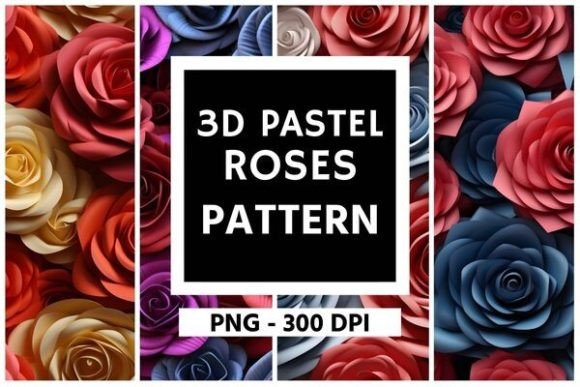
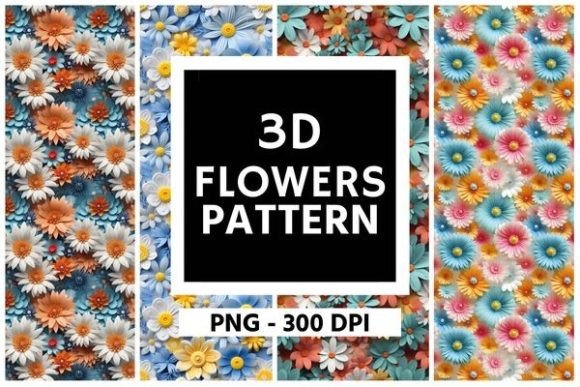
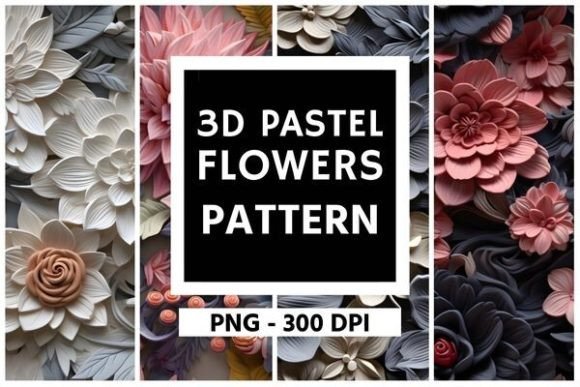
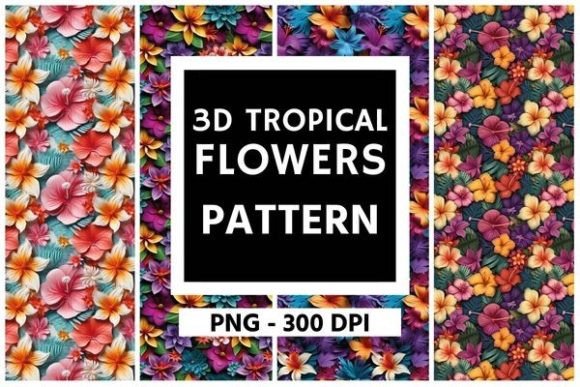
This pattern is not merely a collection of images; it is a cohesive system designed to simulate an artistic explosion of tropical blooms with three-dimensional fidelity. The core distinction lies in its ability to capture lifelike textures and lighting effects that flat graphics often struggle to convey. By leveraging advanced rendering techniques, each element within the pattern exudes a tangible presence, allowing designers to infuse their work with a vibrant allure that mimics the physical world.
Distinguishing Features of the 3D Summer Tropical Flowers Pattern
When evaluating 3D Summer Tropical Flowers Pattern 01, the primary differentiator is the dimensionality of the floral elements. Unlike standard clip art which relies on simple shading to suggest volume, this pattern utilizes complex lighting models to create shadows, highlights, and depth cues that change based on the perceived angle of the viewer. This results in a texture that feels almost tactile.
The color palette is another critical factor. The pattern employs tropical hues that range from deep magentas and electric oranges to lush greens and soft cyans. These colors are not just saturated but are rendered with gradients that mimic the way light interacts with petal surfaces. This attention to detail ensures that the pattern does not appear garish or artificial, even when scaled up for large-format printing.
- Lifelike Rendering: The use of high-fidelity 3D modeling creates intricate details such as vein structures on leaves and dew drops on petals.
- Versatile Composition: The arrangement allows for seamless tiling while maintaining a sense of organic chaos typical of a blooming garden.
- Atmospheric Depth: Elements overlap naturally, creating foreground and background layers that add complexity to the design.
Comparing Approaches: 3D Patterns vs. Traditional Alternatives
To make an informed decision, it is necessary to compare 3D Summer Tropical Flowers Pattern 01 against other common design approaches. The market offers various options, including hand-drawn watercolors, 2D vector graphics, and stock photography. Each method serves a specific purpose, and the choice depends heavily on the intended application.
Compared to hand-drawn or watercolor styles, the 3D approach offers consistency and scalability. While watercolor provides a unique, organic feel that changes slightly with every brushstroke, 3D patterns ensure that every flower looks identical in quality across thousands of units. This makes 3D Summer Tropical Flowers Pattern 01 particularly suitable for mass production, such as textile manufacturing or merchandise, where uniformity is a requirement.
When contrasted with 2D vector graphics, the tradeoff shifts toward file size and rendering requirements. Vector files are lightweight and infinitely scalable without loss of quality, making them ideal for web icons or small logos. However, they lack the photorealistic depth that characterizes the 3D pattern. If a project requires a subtle, minimalist aesthetic, a vector might be the superior choice. Conversely, if the goal is to create a bold, immersive background that demands attention, the 3D pattern offers a distinct advantage through its volumetric presence.
Finally, compared to stock photography, the pattern offers greater flexibility. Photographs are fixed compositions that can be difficult to tile seamlessly or modify without visible artifacts. A digital pattern like 3D Summer Tropical Flowers Pattern 01 is constructed specifically for repetition, allowing designers to adjust density, rotation, and scale without breaking the visual flow. This adaptability is crucial for customizing designs for different aspect ratios, from social media stories to large-scale banners.
Evaluating Strengths and Tradeoffs for Specific Use Cases
Selecting the right asset involves weighing strengths against potential limitations. The primary strength of 3D Summer Tropical Flowers Pattern 01 is its ability to evoke a strong emotional response through visual richness. The "exotic beauty" described in its concept translates into a design language that immediately signals summer, vacation, and vibrancy. This makes it an excellent tool for brands looking to communicate energy and warmth.
However, there are tradeoffs to consider. The high level of detail and realistic lighting can sometimes result in larger file sizes, which may impact loading times for web applications if not optimized correctly. Additionally, the bold nature of the pattern means it is less versatile for backgrounds containing significant text. In scenarios where legibility is paramount, such as informational posters or data-heavy dashboards, the intricate details of the flowers could compete with the content.
In terms of best-fit situations, this pattern excels in the following areas:
- Fabric and Textile Prints: The seamless nature and detailed texture make it ideal for fashion design, swimwear, and home decor fabrics where tactile simulation is desired.
- Event Invitations and Stationery: For weddings, beach parties, or summer festivals, the pattern adds a premium, polished look that elevates the perceived value of the invitation.
- Marketing Materials: Brochures, flyers, and digital ads targeting lifestyle or travel sectors benefit from the immediate association with paradise and relaxation.
Conversely, there are scenarios where this pattern may not be the optimal choice. If a brand's identity relies on minimalism, corporate restraint, or a highly technical aesthetic, the organic and colorful nature of 3D Summer Tropical Flowers Pattern 01 might clash with their visual guidelines. In these cases, a more abstract or monochromatic design would likely serve better.
Navigating Decision Factors for Professional Applications
For researchers and designers evaluating resources, the decision process should extend beyond aesthetics to include technical compatibility and workflow integration. One must ask whether the target output medium supports the resolution required to showcase the 3D details effectively. Printing at low resolutions can blur the intricate edges of the 3D renders, diminishing the intended effect.
Furthermore, the versatility of the pattern extends to its potential for customization. Unlike static images, digital patterns allow for layer manipulation. Designers can overlay the pattern with solid colors, apply transparency masks, or combine it with typography to create hybrid designs. This flexibility is a key selling point for those seeking to avoid generic templates.
It is also important to consider the psychological impact of the imagery. The "tropical blooms" theme triggers specific associations with leisure and escape. If the project aims to sell a product related to stress relief, tourism, or outdoor activities, the pattern aligns perfectly with the consumer's mindset. However, for industries focused on seriousness, such as finance or healthcare, the same imagery might be perceived as too casual or distracting.
Conclusion on Selection Criteria
By carefully considering the tradeoffs regarding file optimization, brand alignment, and text legibility, designers can determine if this pattern is the right fit for their current project. Whether the goal is to create a mesmerizing backdrop for a summer campaign or a luxurious texture for a clothing line, the potential for creative expression with this pattern is vast. The key lies in matching the asset's capabilities with the project's specific needs, ensuring that the final output delivers both aesthetic appeal and functional effectiveness.